
 Image 1 of 15
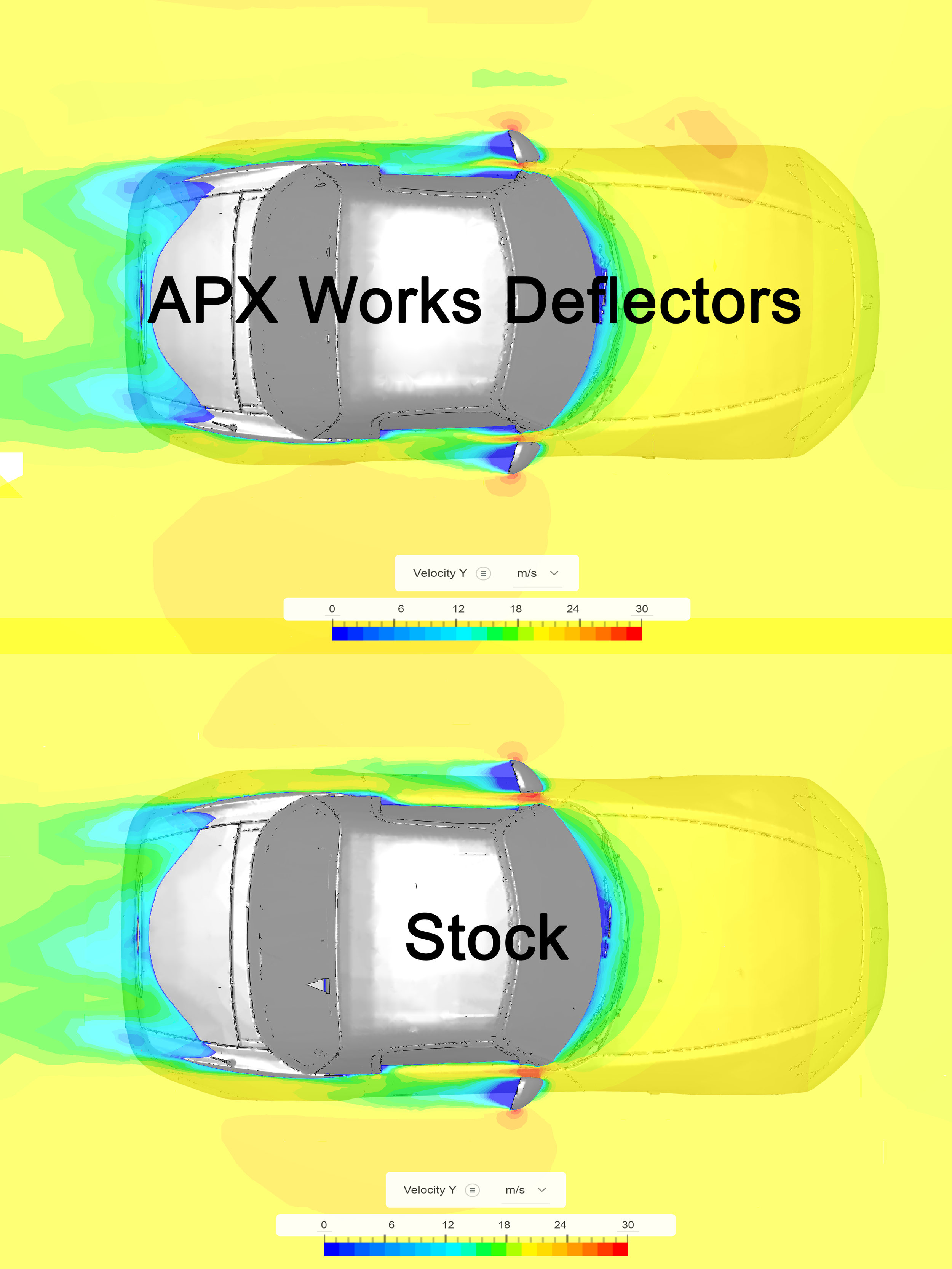 Image 2 of 15
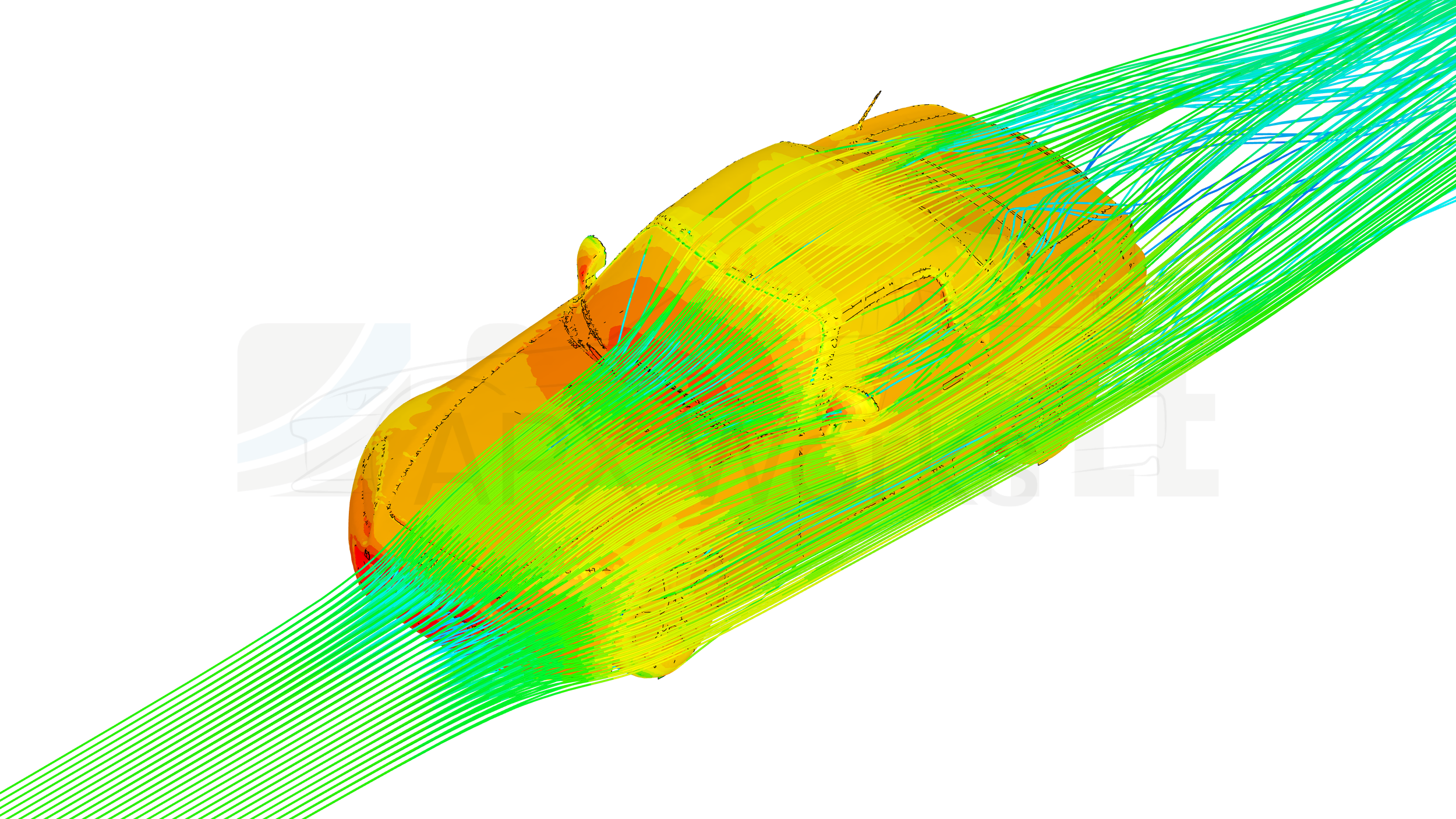 Image 3 of 15
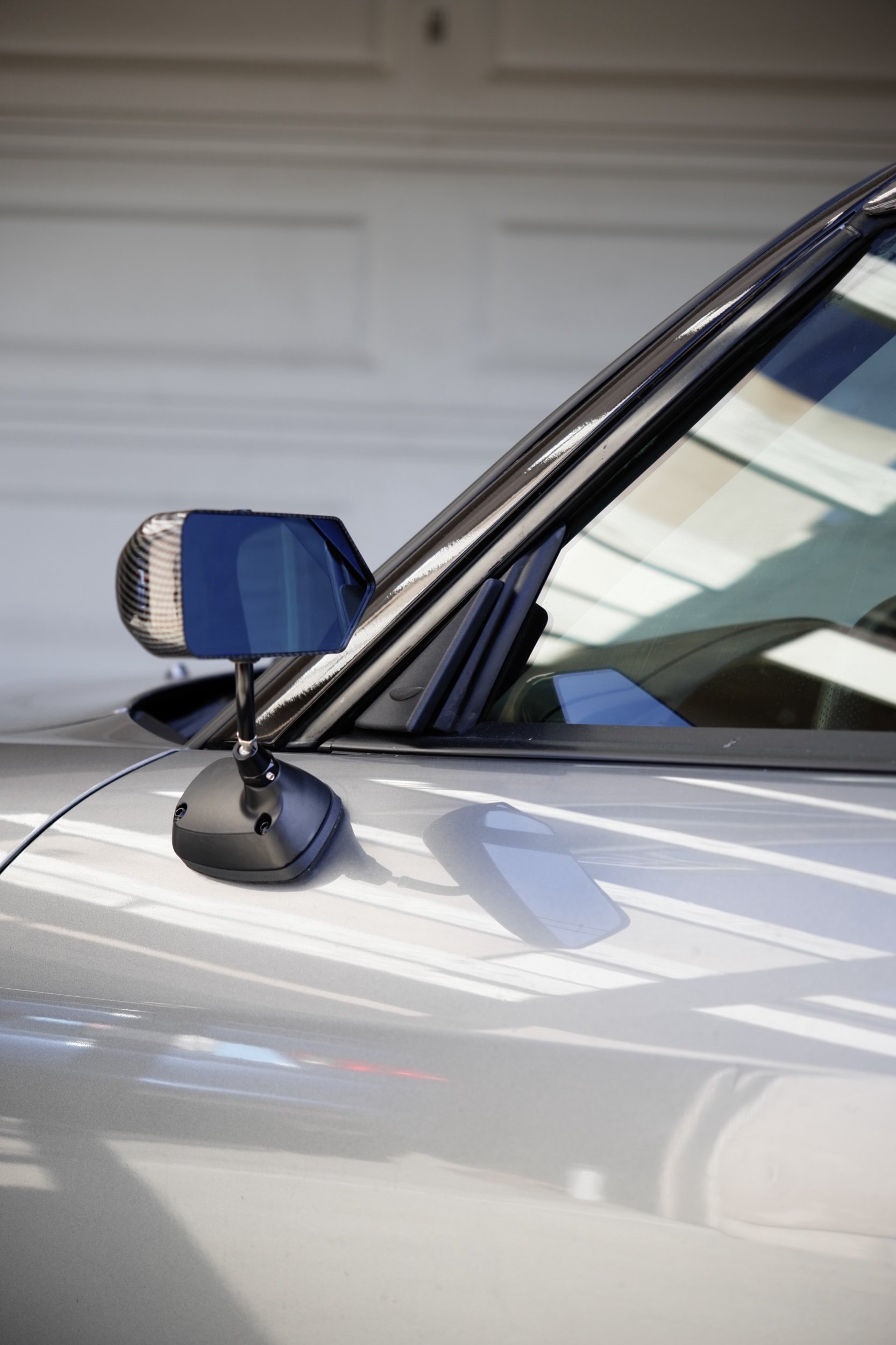 Image 4 of 15
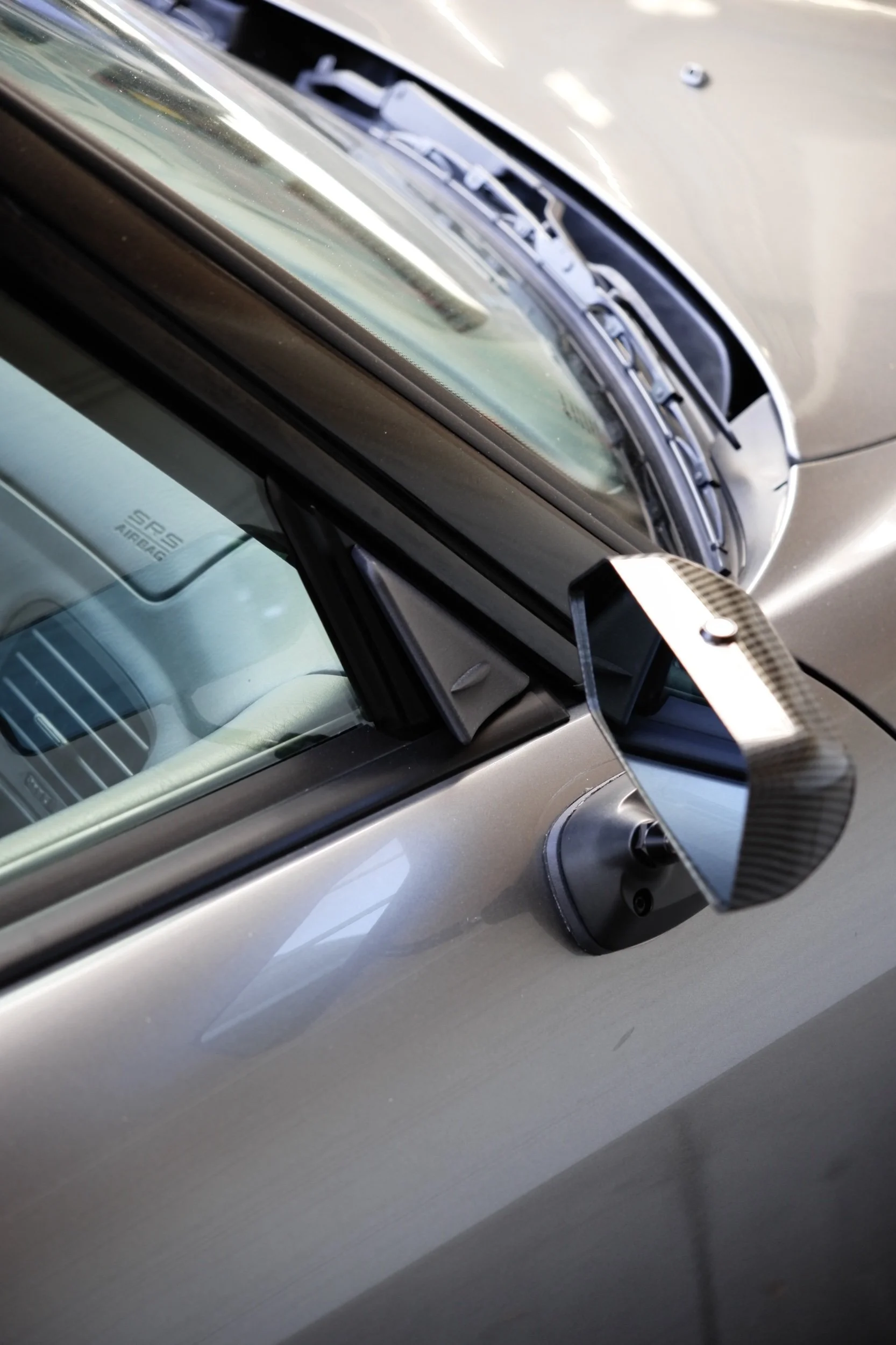 Image 5 of 15
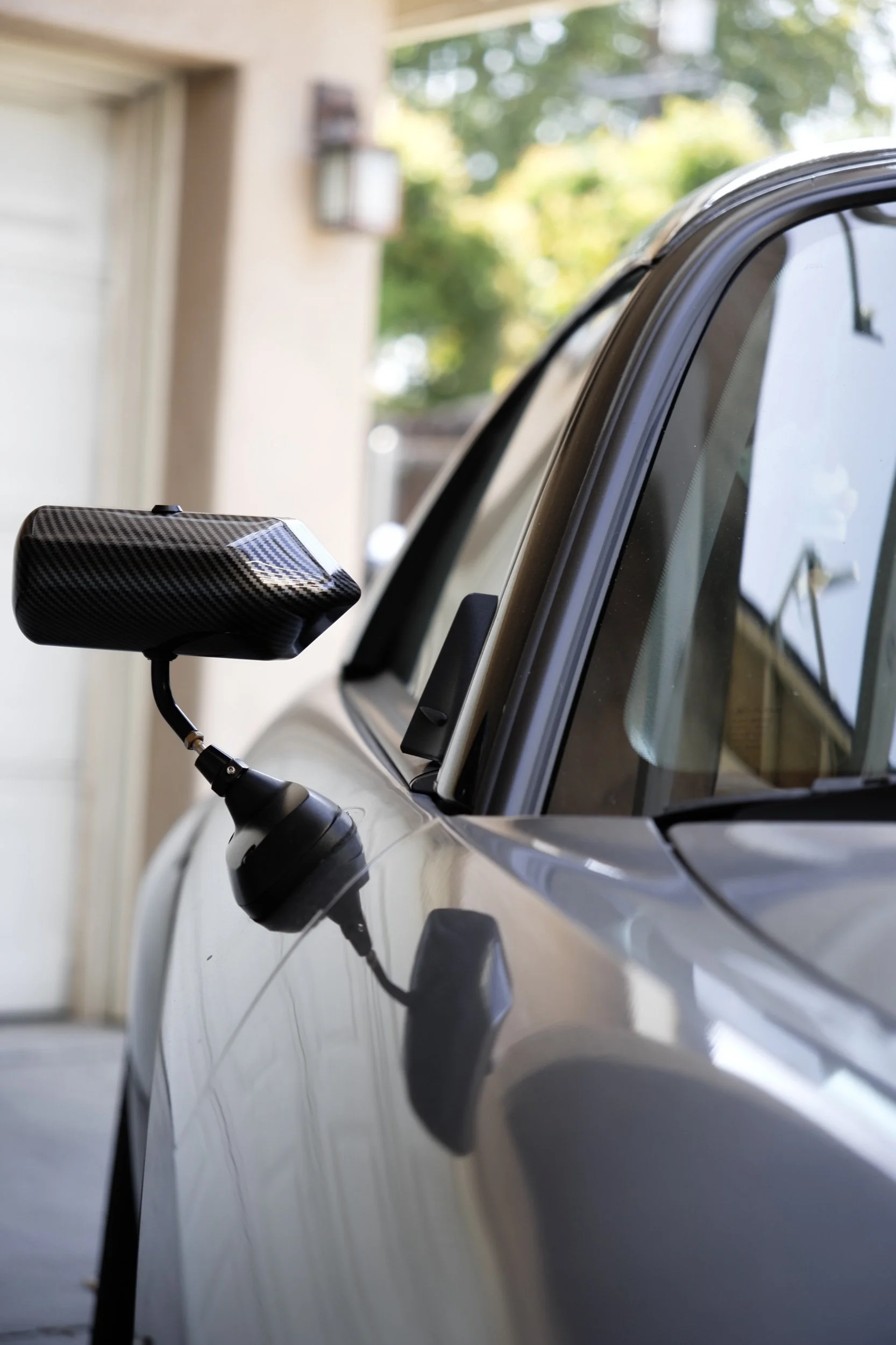 Image 6 of 15
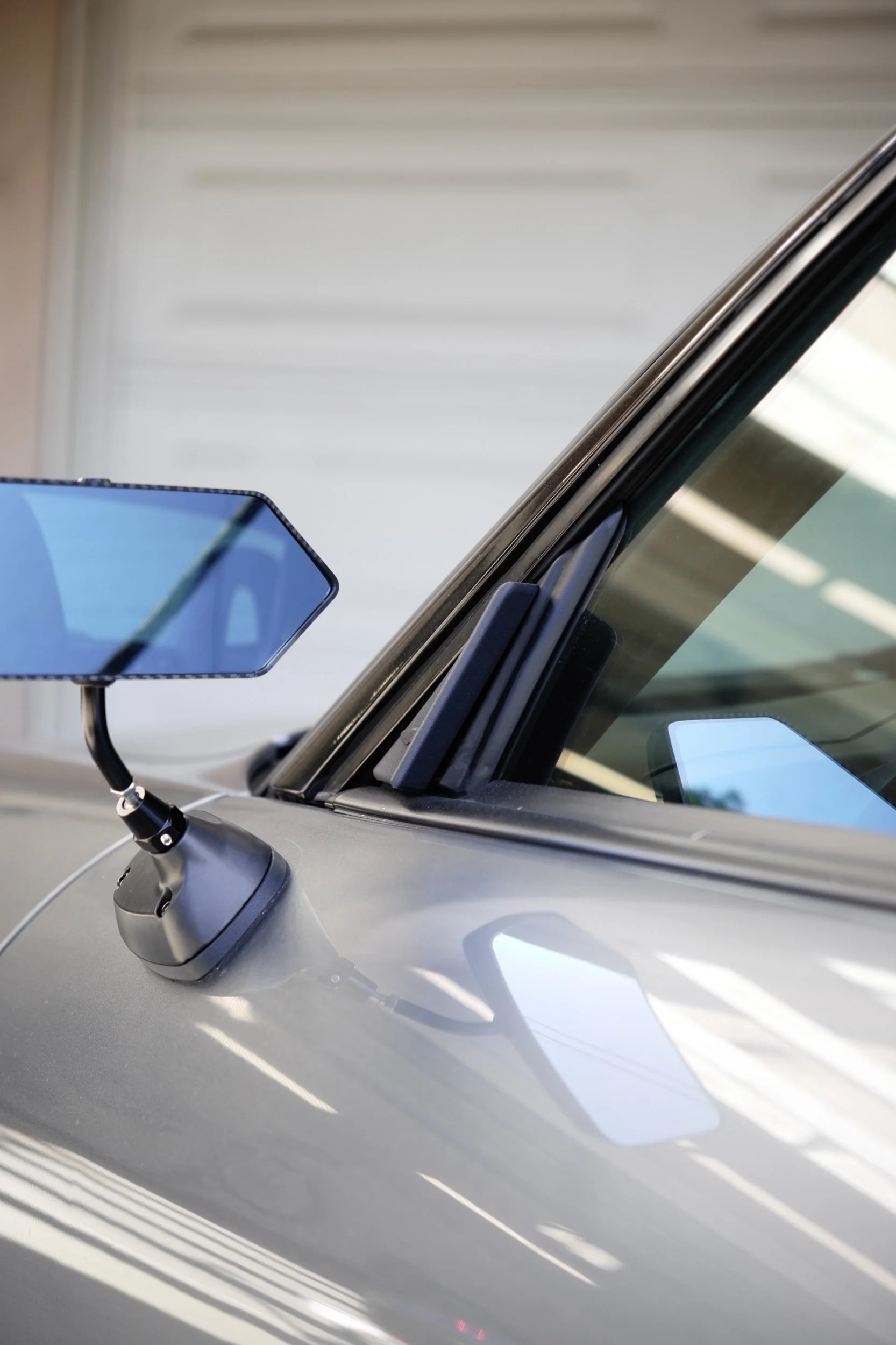 Image 7 of 15
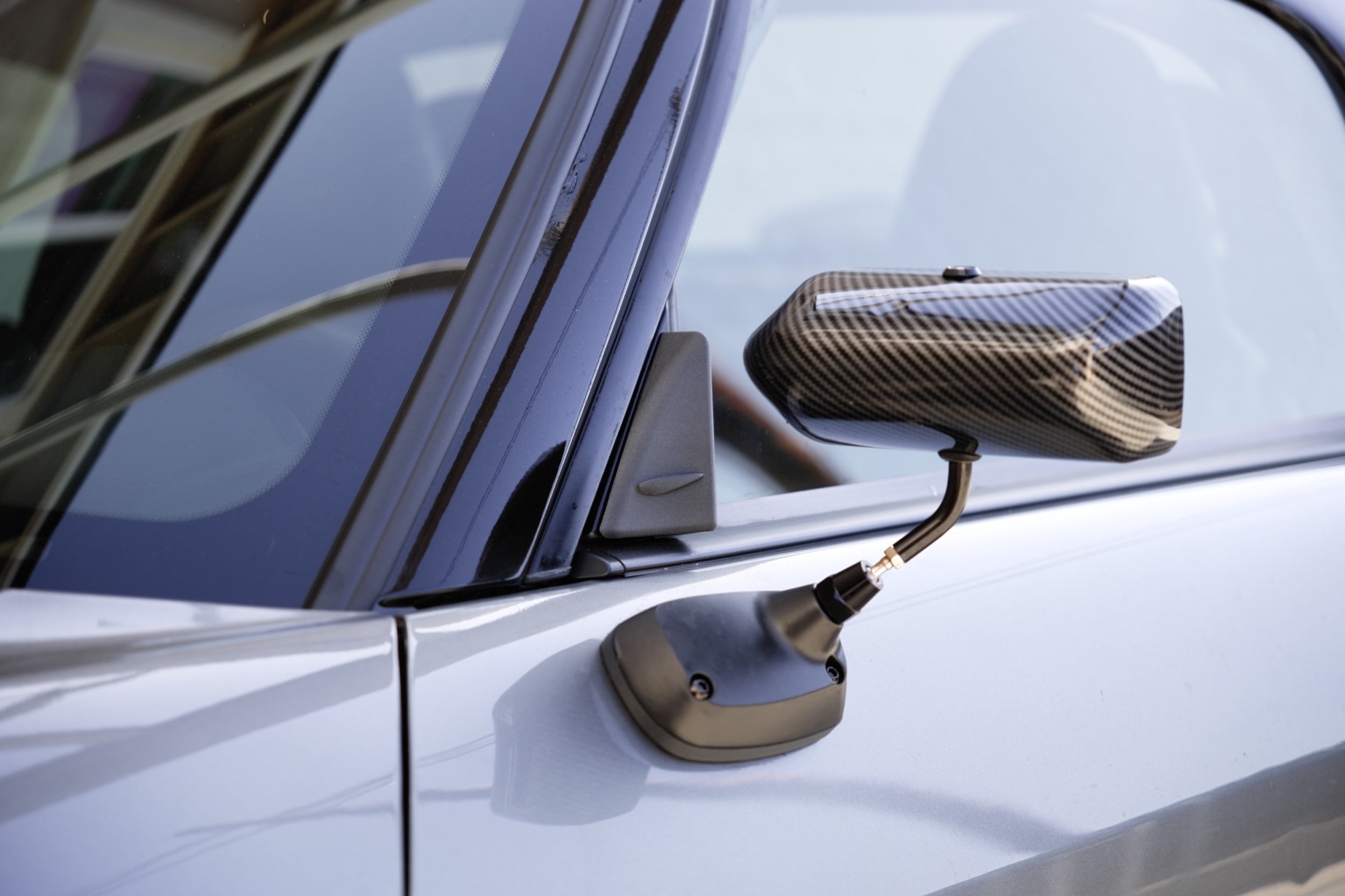 Image 8 of 15
 Image 9 of 15
 Image 10 of 15
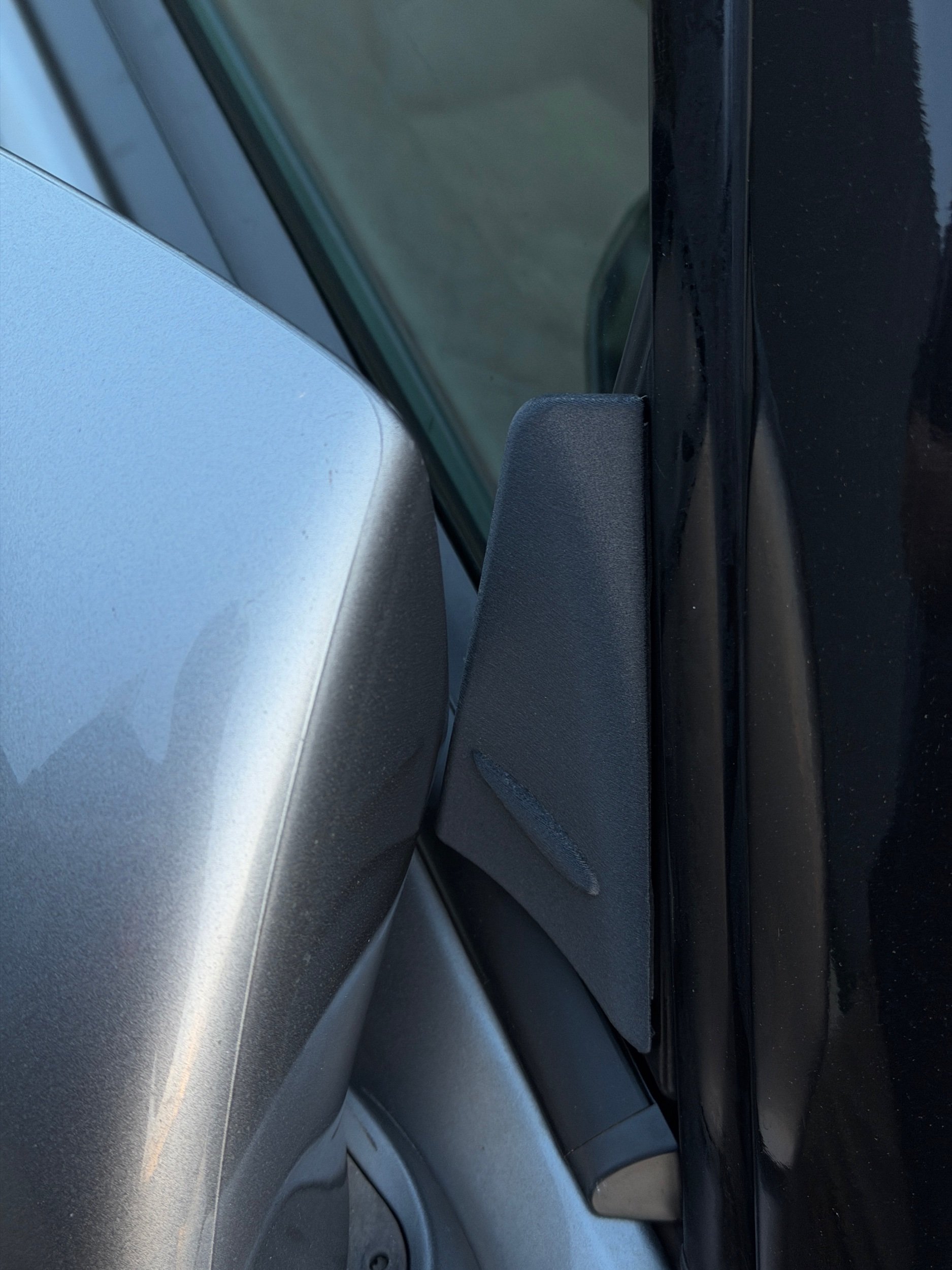 Image 11 of 15
 Image 12 of 15
 Image 13 of 15
 Image 14 of 15
 Image 15 of 15
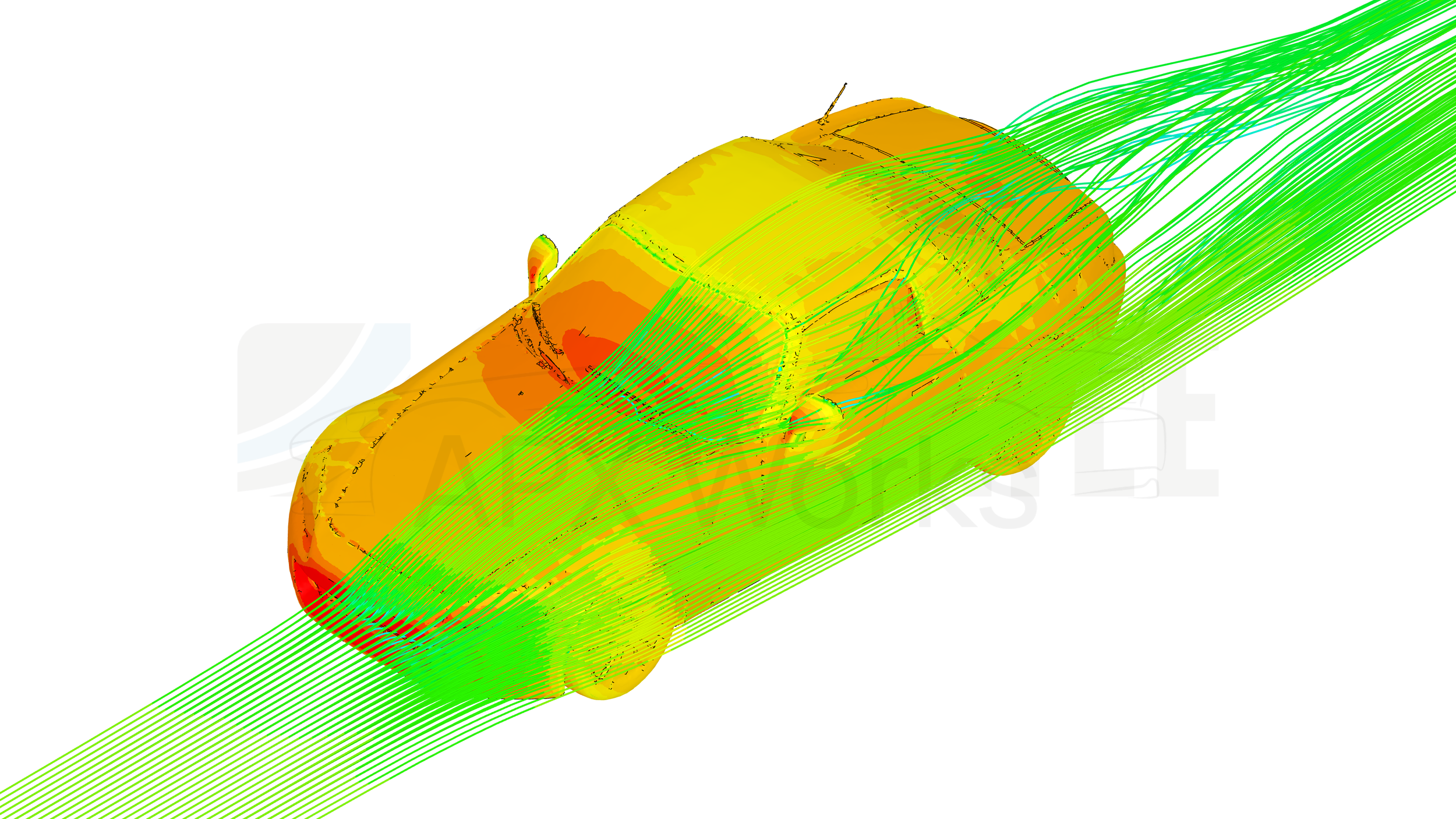
CFD Particle Analysis of an AP2 without the deflectors installed. You can observe the streamlines passing the A-pillar remain relatively tight and "undisturbed" as they hit the side of the protruding edge of the hardtop.
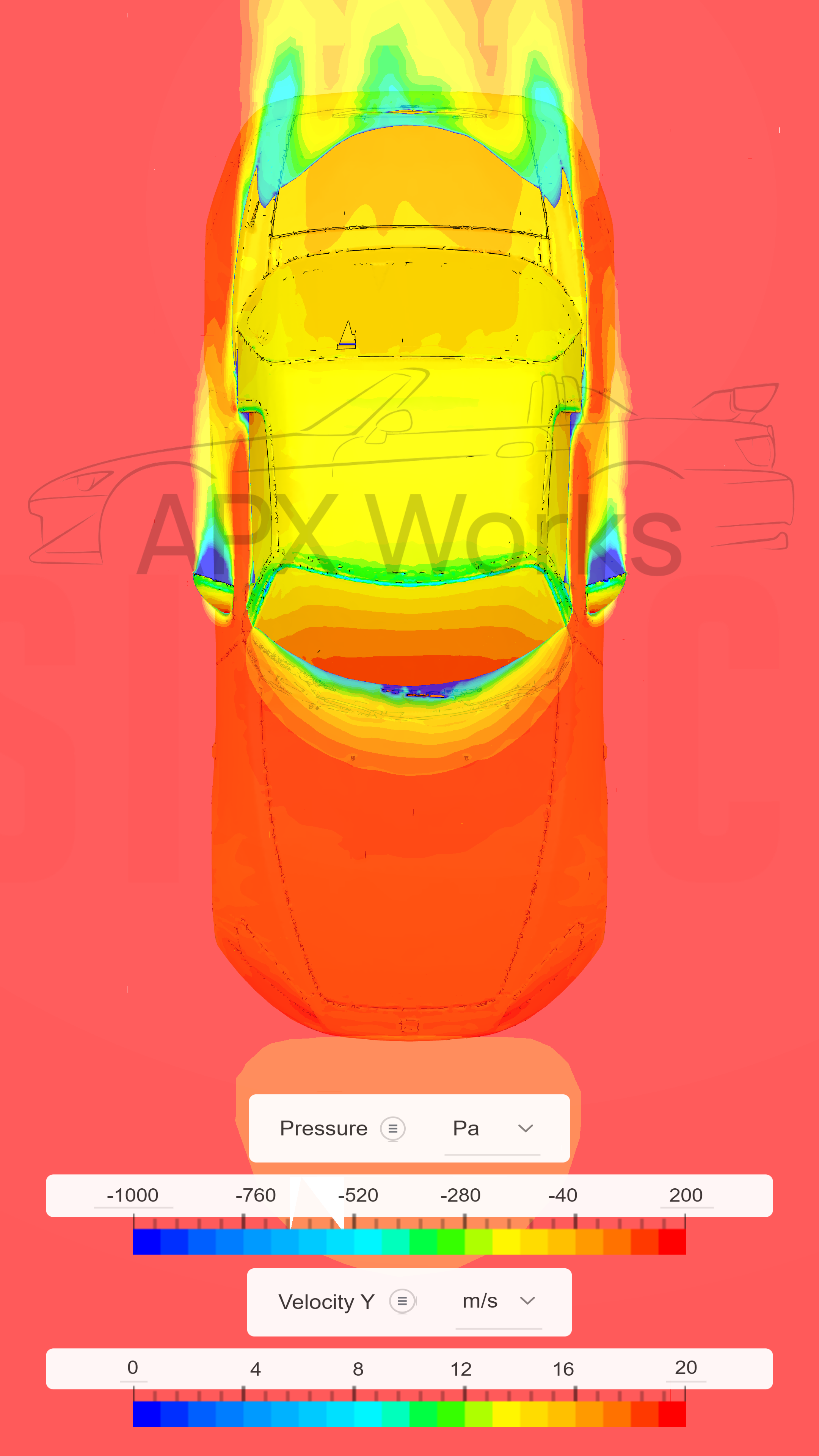
On the stock configuration, as the freestream air hits the windshield and spills outward around the A-pillar, it gets channeled between the A-pillar itself and the side mirror housing. This physical pinch-point acts like a nozzle, accelerating the air. That red strip is a high-velocity jet (nearing that 20 m/s mark) shooting straight back along the window opening.
The buffeting you feel inside the car is caused by the extreme speed difference between that violent, fast-moving jet of air and the relatively stagnant air inside the cabin. That boundary (the shear layer) is highly unstable and collapses, throwing vortices right at your head.
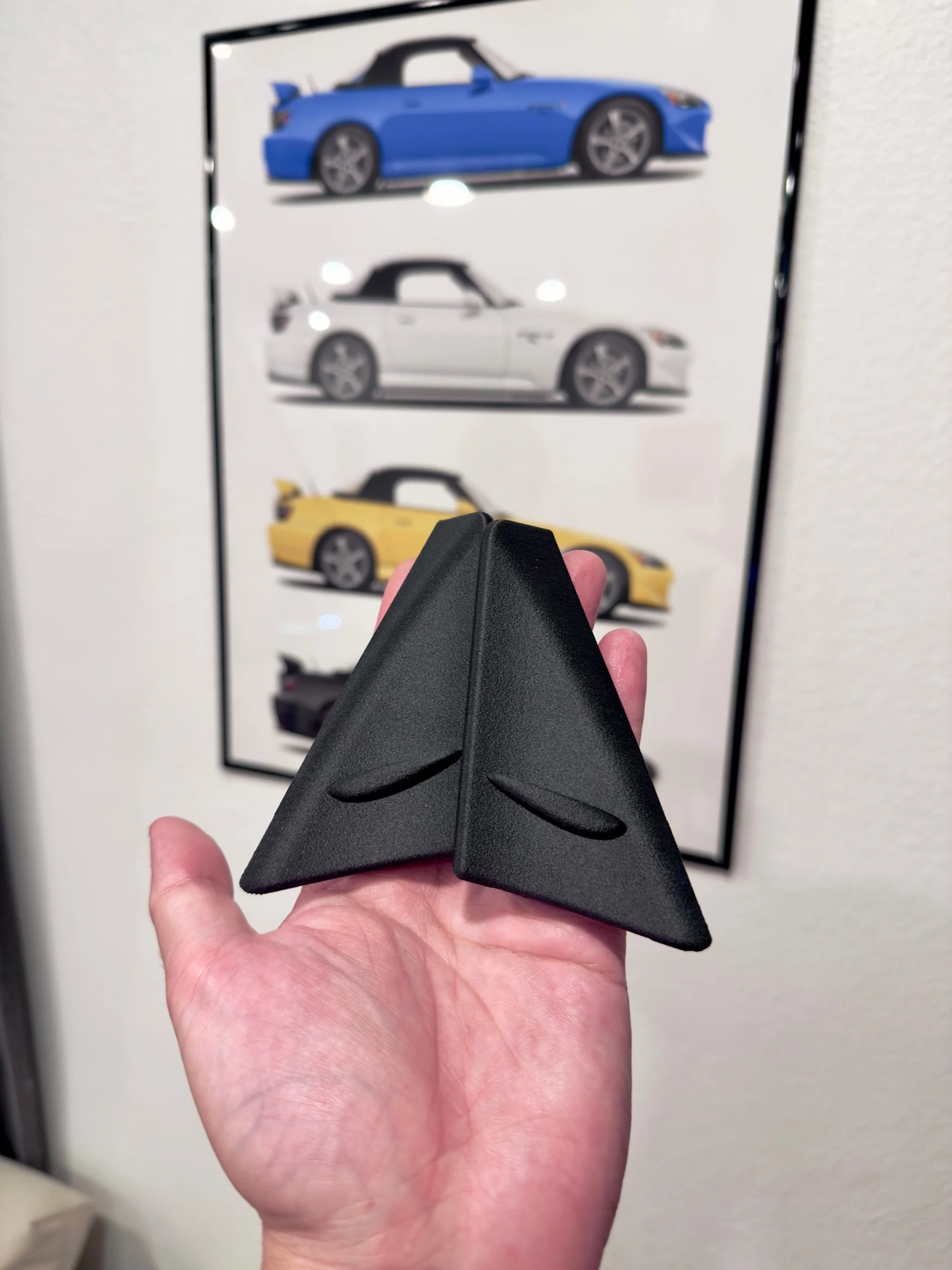
CFD Particle Analysis of an AP2 with the APX Air Deflectors installed. You can see a noticeable "lifting" and outward displacement of the green streamlines right at the window line. This indicates a physical barrier (the deflector) is pushing the air away from the cabin opening.
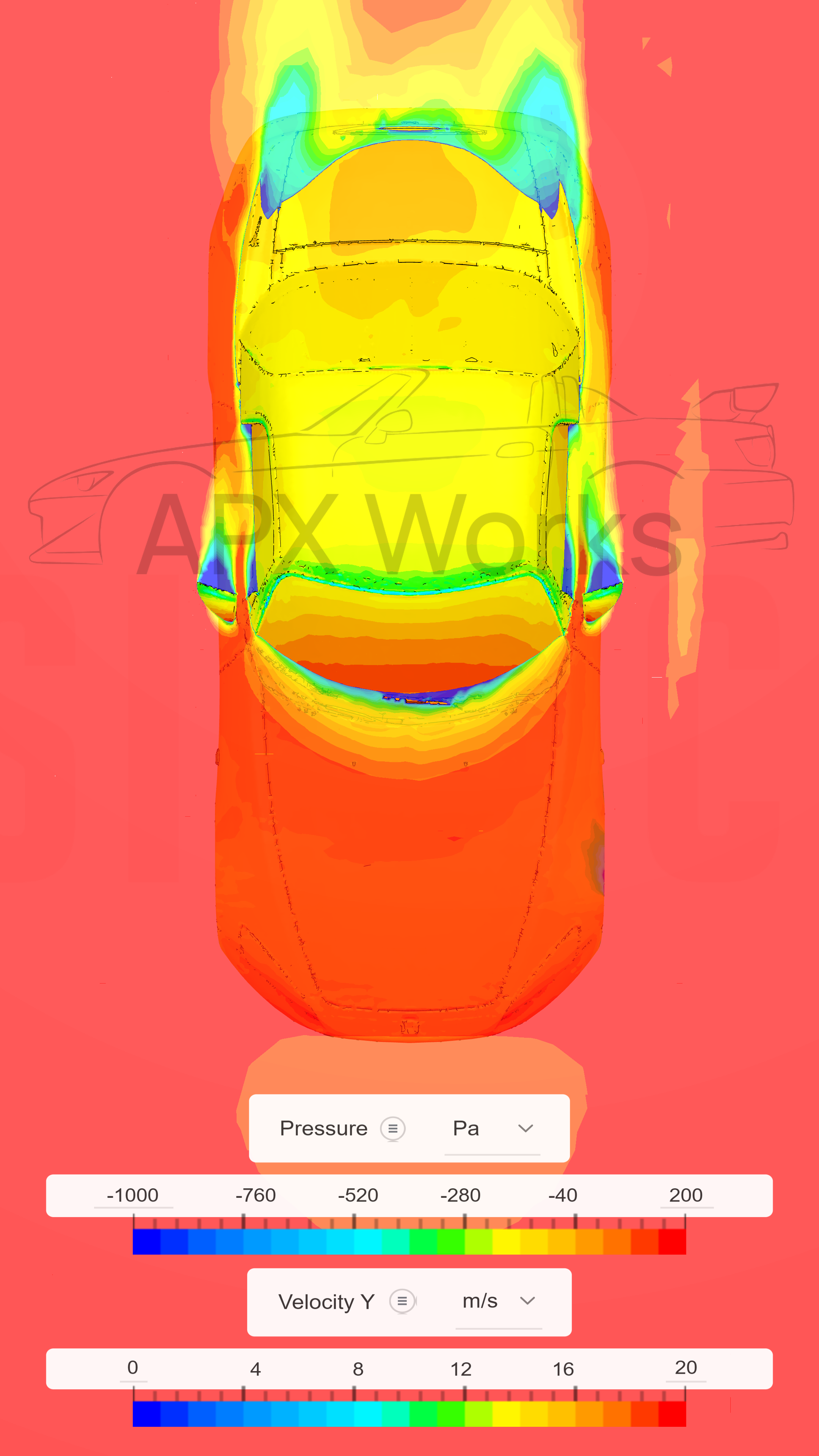
The air now traveling past the side window (towards the B-pillar line) is entirely in the yellow/green zone, meaning it has slowed down significantly to around 10–14 m/s.
A slower shear layer means a much more stable boundary between the outside air and the cabin, which translates directly to a massive reduction in wind buffeting for the driver. It's a highly effective aerodynamic intervention.